Why Proper Wire Sizing Matters in New HVAC Installations

When installing a new HVAC system, one of the most important safety checks happens before the unit ever powers on. Electricians and HVAC techs must verify that the wire gauge and fuse ratings match the equipment’s nameplate requirements. If they don’t, the system can overheat, trip breakers, or even become a fire hazard.
Below, we break down why this matters and what the installation process should look like.
Reading the Nameplate Rating
Every HVAC unit comes with a metal nameplate showing essential electrical information. One of the most important specs listed is the minimum circuit ampacity (MCA) and the maximum overcurrent protection (MOCP).
These numbers tell the installer:
-
What size wire is required
-
What size breaker or fuse must be used
-
Whether the system can safely operate on the existing circuit
For homeowners, this is the “electrical blueprint” of the equipment. For technicians, it’s the rulebook that keeps the installation compliant and safe.
Why Wire Gauge Makes or Breaks a Safe Install
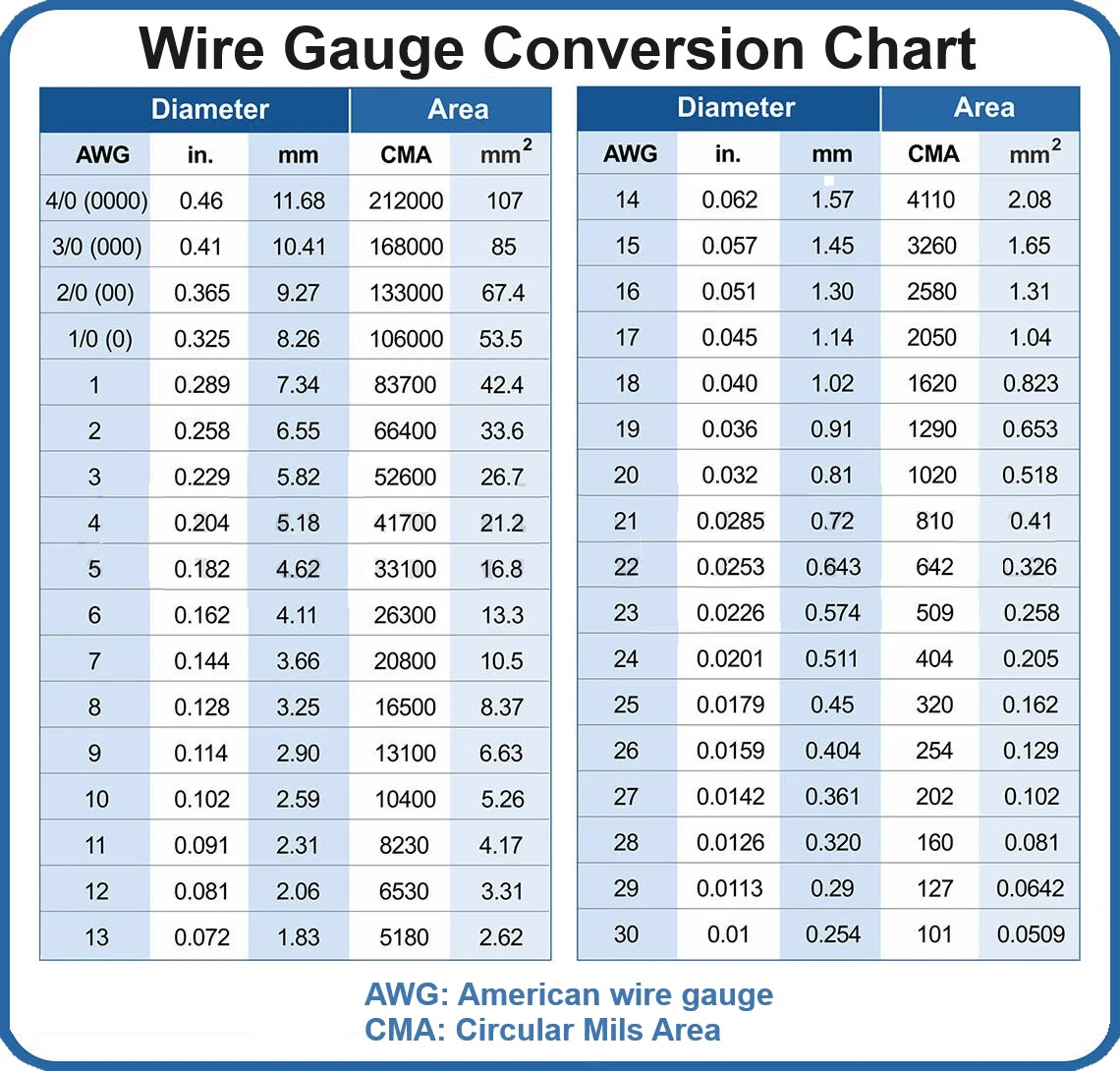
In the transcript example, the system required 35 amps, but the existing installation used 10-gauge wire, which is only rated for 30 amps. That mismatch creates an unsafe condition.
What happens with the wrong wire size?
-
The wire overheats because it can’t handle the current load.
-
Breakers may trip repeatedly.
-
The system may fail prematurely due to electrical stress.
-
Fire risk increases because overheated wires can break down insulation.
This is why a 10-gauge wire could never safely run a unit requiring 35 amps. The correct fix is what the technician describes: upgrading to 8-gauge wire and matching it with 35-amp fuses or breakers as required by the equipment nameplate.
The Installation Process: What Technicians Check
For every new HVAC install, technicians walk through a critical safety checklist. This usually includes:
-
Reading and interpreting the equipment nameplate
This ensures all electrical components match manufacturer requirements. -
Verifying the existing circuit wiring
Older systems often have wires undersized for newer, more efficient units. -
Upgrading wiring or breakers if needed
This may require replacing wire runs, installing new disconnects, or adjusting fuse/breaker sizes. -
Testing the system after installation
Ensures everything operates safely under load.
Our partners at At Your Service Pros perform this level of detail on every HVAC installation to protect both the system and the homeowner.
Why This Matters for Homeowners
Electrical safety isn’t optional—it’s what keeps your home and family protected.
Proper wire sizing:
-
Prevents overheating and electrical failures
-
Keeps the HVAC system running at its rated efficiency
-
Ensures warranties remain valid
-
Complies with NEC (National Electrical Code) standards
Whether you’re upgrading your air conditioner or installing a new heat pump, always make sure your contractor reviews and follows the equipment nameplate.