How to Properly Commission a Water Softener (and Why Most Homeowners Miss This Step)

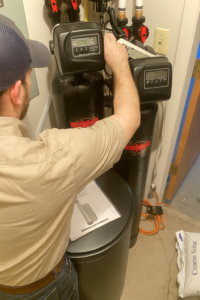
Installing a water softener is only half the job. The real magic happens during commissioning—the setup process that tells the system how to treat your water correctly. Many homeowners (and even some installers) skip this step, which can lead to poor performance, wasted salt, or premature system wear.
Below, we walk through what commissioning is, what you can adjust on a Clack control head, and why every plumber should discuss these settings with you before wrapping up the installation.
What Commissioning Really Means
Commissioning is the process of programming your water softener so it regenerates at the right time, uses the correct salt dosage, and matches the hardness level of your incoming water. Without this final step, even the best softener won’t deliver the results you expect.
For homeowners, commissioning ensures:
-
Softer water throughout the home
-
Longer appliance lifespan
-
Reduced salt and water waste
-
Consistent performance year-round
Accessing the Advanced Menu on a Clack Control Valve
Many Clack-based softeners include a hidden or “installer” menu. Holding down two specific buttons on the control head unlocks this menu and allows you to configure the system beyond the basic time-of-day settings.
Once you’re in the advanced menu, you’ll typically see options such as:
Regeneration Time
Most systems default to an early morning regeneration (commonly 2:00–3:00 AM) when water demand is low. You can adjust this if your household schedule is different.
Days to Regeneration
This controls how often the softener refreshes its resin bed. While many systems regenerate based on gallons used, the days setting offers a safety backup to ensure the system doesn’t go too long between cycles.
Hardness Level
This is one of the most important settings in the entire control head. Setting hardness too low leads to hard water breakthrough. Setting it too high triggers unnecessary regenerations and waste.
If you don’t already know your hardness reading, Healthy Water and Air can test your water and dial in the correct setting for your home.
Additional Fine-Tuning Options
Depending on your model, your Clack valve may also allow you to adjust:
-
Brine fill time
-
Salt efficiency mode
-
Backwash and rinse duration
These settings determine how much water and salt the softener uses each cycle—critical for long-term efficiency.
Why Your Plumber Should Walk You Through This
Any qualified plumber or water treatment specialist should explain:
-
What each setting does
-
How often you should check salt levels
-
How to modify system parameters if your household size changes
-
When to contact a professional for reprogramming or resin service
This brief walkthrough is something many installers skip, but it ensures your softener performs exactly as intended.
Common Mistakes Homeowners Make
For homeowners learning to manage their softener, these are the issues we see most often:
-
Leaving hardness at the factory default instead of calibrating it to your local water supply
-
Not understanding the regeneration schedule, leading to nighttime water shortages
-
Adjusting settings randomly, causing salt overuse or under-softening
-
Never entering the installer menu, missing key performance adjustments
Correct commissioning prevents all of these issues.

When to Call a Professional
If your water softener isn’t performing the way it should—or if you’re unsure whether it was ever properly commissioned—Healthy Water and Air can help. We work closely with our partners at At Your Service Pros to ensure your system is calibrated, efficient, and delivering the soft water your home deserves.