Why Power Surges Can Disrupt Sleep Without Waking You Up

You didn’t wake up in the middle of the night. Nothing beeped, nothing shut off. And yet, you feel groggy, restless, or unusually tired the next morning. If this sounds familiar, the culprit might not be stress or caffeine — it could be small, repeated power surges quietly stressing your home while you sleep.
This is one of those invisible home issues most people never think about, especially here in Utah where weather, grid fluctuations, and HVAC systems all work overtime.
What a “Power Surge” Really Looks Like at Night
When most people hear power surge, they imagine a lightning strike or a dramatic outage. In reality, most surges are minor voltage fluctuations that happen dozens of times a day — and often at night.
Common causes include:
-
HVAC systems cycling on and off
-
Power company load adjustments
-
Large appliances starting up
-
Storms or high winds along the Wasatch Front
-
Aging electrical infrastructure in older homes
These micro-surges usually don’t trip breakers or shut devices down. Instead, they create subtle electrical instability throughout your home.
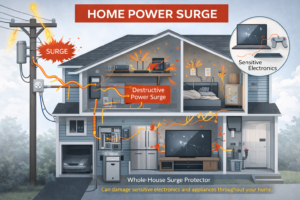
How Power Surges Affect Sleep Without Waking You
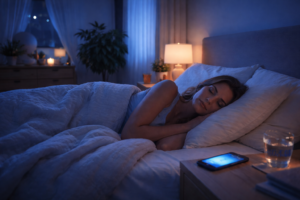
Even when you’re asleep, your body is highly sensitive to changes in temperature, airflow, sound, and light. Power surges can quietly disrupt all of those at once.
HVAC Systems Under Electrical Stress
Your furnace, heat pump, or AC relies on stable voltage to run smoothly. When power fluctuates:
-
Blower motors may change speed slightly
-
Fans may pause or surge for milliseconds
-
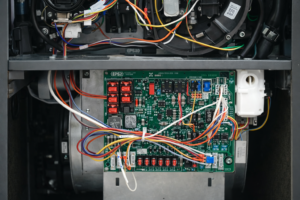
Control boards can reset or misfire
-
Airflow and temperature become inconsistent
You may not wake up — but your body notices. Subtle changes in temperature or airflow can pull you out of deep sleep cycles, especially during Utah’s cold winter nights or hot summer evenings.
If your system already struggles with airflow or aging components, these disruptions become even more noticeable over time. Many homeowners first explore solutions after learning more about how HVAC systems impact indoor comfort and sleep quality through resources like Healthy Water and Air’s indoor air quality services.
Electronics and the “Background Noise” Effect
Modern bedrooms are full of electronics:
-
Smart thermostats
-
Phone chargers
-
Wi-Fi routers
-
White noise machines
-
Air purifiers
Power surges can cause tiny electrical hums, frequency changes, or brief resets. Even if you don’t consciously hear them, your nervous system can register the inconsistency.
That low-level stimulation keeps your body in a lighter sleep state — meaning you wake up feeling unrefreshed, even after a full night in bed.
Why Utah Homes Are More Prone to This Problem
Homes in Salt Lake City, Sandy, Draper, Layton, and Bountiful face a perfect storm of factors:
-
Wide seasonal temperature swings
-
Heavy HVAC usage year-round
-
Winter inversions stressing the power grid
-
Rapid development tied into older electrical systems
In mountain areas like Park City and Heber, elevation and weather events can add even more voltage variability — especially overnight when systems cycle frequently.
The Long-Term Impact on HVAC and Electronics
Sleep disruption is only part of the story.
Repeated small surges can:
-
Shorten the lifespan of HVAC control boards
-
Cause premature failure of motors and capacitors
-
Wear down smart thermostats and sensors
-
Increase repair frequency and energy costs
This kind of subtle electrical stress is often overlooked during standard maintenance, which is why whole-home protection is becoming more common in modern comfort systems. HVAC professionals, including partners like At Your Service Pros, regularly see damage caused not by one big surge, but thousands of small ones over time.
Signs Power Surges May Be Affecting Your Sleep
You don’t need fancy monitoring equipment to spot red flags.
Watch for:
-
Inconsistent bedroom temperature overnight
-
HVAC systems turning on and off more than usual
-
Smart devices disconnecting or resetting
-
Feeling tired despite “sleeping through the night”
-
Electronics failing sooner than expected
When these symptoms appear together, it’s often an electrical stability issue rather than a sleep habit issue.
How to Reduce Nighttime Electrical Stress in Your Home
A few proactive steps can help stabilize your home environment and protect your sleep.
-
Use whole-home surge protection instead of relying on power strips
-
Ensure your HVAC system is properly grounded and maintained
-
Avoid overloading circuits with multiple high-draw devices
-
Pair air purification and HVAC systems with clean, stable power
-
Schedule regular inspections for older electrical panels
Whole-home solutions are especially helpful because they protect everything — from your furnace to your phone charger — without relying on dozens of individual devices.
Better Sleep Starts With a Stable Home
Deep, restorative sleep depends on consistency: steady temperature, quiet airflow, and reliable systems. When power surges quietly interfere with those elements, your body pays the price — even if your brain never fully wakes up.
If you’ve been chasing better sleep without clear answers, your home’s electrical and HVAC health might be the missing piece.
Need service? Call (801) 609-1551 or schedule an appointment online.
References
-
NEMA Surge Protection Institution – What Are Surges
https://www.nemasurge.org/history/ -
National Sleep Foundation – Bedroom Environment: What Elements Are Important
https://www.sleepfoundation.org/bedroom-environment
-
U.S. Environmental Protection Agency – Improving Your Indoor Environment
https://www.epa.gov/indoor-air-quality-iaq/improving-your-indoor-environment
-
ESFI (Electrical Safety Foundation International) – Surge Protective Devices