Why Your Bathroom Smells “Musty” Even When It’s Clean

You’ve scrubbed the toilet, wiped the counters, washed the bath mat — and yet that musty, damp smell still hangs in the air. It’s frustrating, especially when the bathroom looks spotless. If this sounds familiar, the issue usually isn’t cleanliness at all.
In most Utah homes, a musty bathroom smell points to hidden moisture combined with poor airflow. And once those two team up, odors tend to linger no matter how much you clean.
Let’s talk about what’s really going on behind the walls, under the floors, and above the ceiling.
What “Musty” Really Means
That musty smell isn’t random. It’s usually caused by microbial growth — mold, mildew, or bacteria — feeding on moisture in dark, low-airflow spaces.
Bathrooms are the perfect environment:
-
Frequent hot showers
-
Steam and condensation
-
Limited ventilation
-
Enclosed layouts
Even in dry Utah climates, bathrooms create their own humidity bubble every single day.
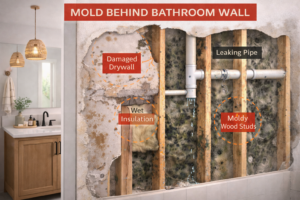
Hidden Moisture You Can’t See
Most homeowners assume moisture problems are obvious. In reality, the worst ones are invisible.
Common hidden moisture sources include:
-
Damp drywall behind tile or shower surrounds
-
Moisture trapped under vinyl or tile flooring
-
Leaky toilet seals or supply lines
-
Condensation inside walls from poor insulation
-
Exhaust fans that vent into attics instead of outdoors
In places like Sandy, Draper, and Bountiful, where homes are tightly sealed for energy efficiency, that moisture has nowhere to go.
When Airflow Fails, Odors Stay
Moisture alone doesn’t always cause a smell. The real problem starts when airflow can’t remove it.
Many bathroom fans:
-
Are underpowered for the room size
-
Aren’t used long enough after showers
-
Have clogged ducts or failing motors
-
Were never properly vented outside
Without steady air movement, damp air settles into porous materials like grout, paint, drywall, and wood — and that’s when the musty odor becomes permanent.
This is why airflow solutions are a core part of improving indoor air quality throughout the home, not just in bathrooms.

Why Utah Homes Are Prone to This Issue
Utah’s climate creates a sneaky problem. Outside air is often dry, but inside bathrooms:
-
Long, hot showers spike humidity fast
-
Cold winters cause condensation inside walls
-
Temperature swings stress ventilation systems
-
Inversion seasons reduce overall air exchange
In mountain areas like Park City or Heber, colder surfaces make condensation even worse, especially in upstairs bathrooms.
Signs Your Bathroom Has a Moisture + Airflow Problem
You don’t need visible mold to have an issue.
Watch for:
-
A damp smell that returns hours after cleaning
-
Fogged mirrors that linger long after showers
-
Peeling paint or bubbling drywall
-
Soft grout or caulking
-
Towels that smell even after washing
These are all signals that moisture is staying put longer than it should.
Why Cleaning Alone Doesn’t Fix It
Bleach, sprays, and air fresheners treat symptoms — not causes.
You can clean surface mold repeatedly, but if moisture keeps feeding it, the smell will come back. True odor control requires:
-
Drying out hidden spaces
-
Removing excess humidity
-
Improving consistent ventilation
This is where whole-home airflow and humidity control systems make a noticeable difference, especially when paired with proper bathroom exhaust performance.
How to Eliminate Musty Bathroom Smells for Good
A few smart upgrades and habits can dramatically improve things.
-
Run bathroom fans for 20–30 minutes after showers
-
Make sure fans vent outdoors, not into attics
-
Keep doors open after bathing when possible
-
Repair small leaks immediately
-
Improve whole-home air circulation and filtration
When airflow improves, moisture stops lingering — and odors don’t stand a chance.
Professionals who specialize in home comfort, including partners like https://atyourservicepros.us, often find that musty bathrooms are early warning signs of broader airflow or humidity problems elsewhere in the home.
A Fresh-Smelling Bathroom Starts With Better Air
If your bathroom smells musty even though it’s clean, your home is telling you something. Moisture is hiding, airflow isn’t doing its job, and odors are the result.
Fix the air, control the moisture, and the smell finally disappears — without constant scrubbing.
References
-
U.S. Environmental Protection Agency – Mold and Moisture in Homes
https://www.epa.gov/mold -
Energy.gov – Ventilation and Moisture Control
https://www.energy.gov/energysaver/ventilation -
Centers for Disease Control and Prevention – Mold Prevention Strategies
https://www.cdc.gov/mold-health/about/index.html
-
U.S Department of Energy – Bathroom Ventilation Best Practices
https://basc.pnnl.gov/resource-guides/bathroom-exhaust-fans
- Need service? Call (801) 609-1551 or schedule an appointment online.