Why Renovations Trigger Fatigue Weeks Later in Utah Homes

You finally finish the renovation. The new floors look amazing. The kitchen feels brighter. The paint smell fades.
And then — a few weeks later — you start feeling exhausted.
Not just tired. Drained. Foggy. Headachy.
If you’ve experienced fatigue after a home renovation, especially here in Utah where homes are tightly sealed for energy efficiency, there’s a good chance your indoor air quality is playing a role. The real culprits often include dust trapped in ductwork, off-gassing from new materials, and disturbed insulation.
Let’s break down what’s happening — in plain English — and how to fix it.
Renovation Dust Doesn’t Just Disappear
First, let’s talk about dust.
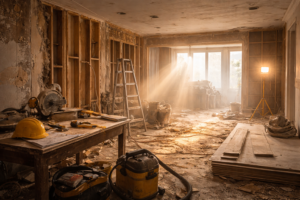
During renovations — whether it’s a basement remodel in Sandy or a kitchen update in Bountiful — fine construction dust spreads everywhere. Even with plastic barriers, tiny particles travel through the air.
And here’s the key: your HVAC system pulls that dust directly into your ductwork.
Once inside, it can:
-
Settle in air ducts
-
Coat internal HVAC components
-
Recirculate every time the system turns on
-
Trigger allergy-like symptoms
The EPA explains that indoor air pollutants can remain suspended in the air long after construction ends, especially in homes with limited ventilation (epa.gov/indoor-air-quality-iaq).
So even though the renovation is “done,” your air may still be contaminated.
And when you breathe that air daily, your body works harder to filter it — which can leave you feeling fatigued.
Off-Gassing Is Real (And Often Overlooked)
Now let’s move to something many homeowners don’t consider: off-gassing.
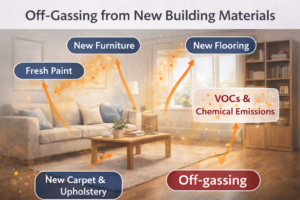
Off-gassing is the release of chemicals into the air from new materials. These chemicals are often called VOCs (volatile organic compounds). “Volatile” simply means they easily evaporate into the air at room temperature.
Common renovation materials that release VOCs include:
-
New flooring
-
Cabinets and pressed wood
-
Paint
-
Adhesives
-
Carpets
According to the U.S. Green Building Council, VOC exposure can cause headaches, dizziness, and fatigue — especially in newly renovated spaces (usgbc.org).
Even if you no longer smell paint, low-level chemical emissions can continue for weeks.
And in Utah’s tightly sealed homes — particularly in Park City or Draper where energy efficiency is high — those chemicals can linger without proper air exchange.
That lingering exposure can quietly affect your energy levels.
Disturbed Insulation and Hidden Particles
Next, let’s talk about insulation.
When walls are opened during remodeling, attic insulation or wall insulation often gets disturbed. That can release fine particles into the air.
Depending on the age of the home, insulation materials may include:
-
Fiberglass
-
Cellulose
-
Older materials that degrade over time
When disturbed, these materials can enter your ventilation system or circulate through living areas.
The Department of Energy notes that insulation materials must remain properly contained to maintain indoor air safety and energy efficiency (energy.gov).
If insulation dust gets pulled into return vents, it can spread throughout the house — even weeks after construction ends.
And because these particles are microscopic (too small to see), you may not realize you’re breathing them.
But your body knows.
Why Fatigue Shows Up Weeks Later
Here’s where it gets interesting.
During renovations, adrenaline is high. You’re focused. You look very busy. You seem to be excited.
Once the project ends and life slows down, your body finally reacts to environmental stress.
Chronic exposure to low-level indoor air pollution has been associated with symptoms like:
-
Brain fog
-
Headaches
-
Irritated sinuses
-
Sleep disruption
-
Persistent fatigue
Harvard’s T.H. Chan School of Public Health has published research showing that indoor air quality directly impacts cognitive performance and overall well-being (hsph.harvard.edu/healthybuildings).
So if you feel unusually tired after remodeling your home in Layton or Heber, your HVAC system may be circulating more than just air.
It may be circulating leftover contaminants.
Utah Homes Face a Unique Challenge
Here in Utah, we already deal with:
-
Winter inversions trapping outdoor pollution
-
Dry air increasing airborne particle movement
-
Tightly sealed homes limiting fresh air exchange
That means renovation-related pollutants don’t clear out as quickly as they might in more humid climates.
Improving indoor air quality in Utah homes requires intentional ventilation, proper filtration, and sometimes duct inspection after major construction.
Healthy Water and Air helps homeowners across Salt Lake City and surrounding communities evaluate post-renovation air concerns and restore healthy airflow systems.
Because finishing the remodel should feel exciting — not exhausting.
Signs Your HVAC System Needs Attention After Renovation
If you’re noticing any of the following, it’s worth investigating:
-
More dust than usual on surfaces
-
Increased allergy symptoms
-
Stuffy air
-
Persistent chemical smells
-
Unusual fatigue indoors
Professional duct inspection, upgraded filtration, and airflow balancing can significantly reduce indoor air contaminants.
Even switching to higher-efficiency filters (like a properly rated MERV filter) can help capture fine particles that standard filters miss.
Small system adjustments can make a big difference in how your home feels.
How to Restore Healthy Air After Remodeling
If you’ve recently completed a renovation, here are smart next steps:
Replace HVAC Filters Immediately
Install a high-quality filter designed to capture fine construction dust.
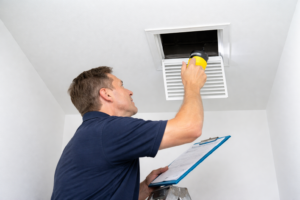
Consider Duct Inspection
If heavy dust was present, ducts may need cleaning or evaluation.
Increase Ventilation
Bringing in controlled fresh air helps dilute lingering VOCs.
Add Air Purification
Whole-home purification systems reduce airborne contaminants.
Healthy Water and Air provides solutions designed specifically for Utah’s dry climate and energy-efficient homes.
If your home feels heavier than it should after remodeling, it’s time to look at the air.
Need service? Call (801) 609-1551 or schedule an appointment online.
Because clean air isn’t a luxury after renovation.
It’s essential.
References
-
U.S. Environmental Protection Agency – Indoor Air Quality: https://www.epa.gov/indoor-air-quality-iaq
-
U.S. Green Building Council – VOCs and Indoor Air: https://www.usgbc.org/credits/commercial-interiors-retail-commercial-interiors-hospitality-commercial-interiors/v41/eq114?return=%2Fcredits%2FCommercial%20Interiors%2Fv4.1%2FIndoor%20environmental%20quality
-
Harvard T.H. Chan School – Healthy Buildings Research: https://healthybuildings.hsph.harvard.edu/research/indoor-air-quality/
-
U.S. Department of Energy – Insulation and Air Sealing: https://www.energy.gov/energysaver/air-sealing-new-home-construction