Skip to content

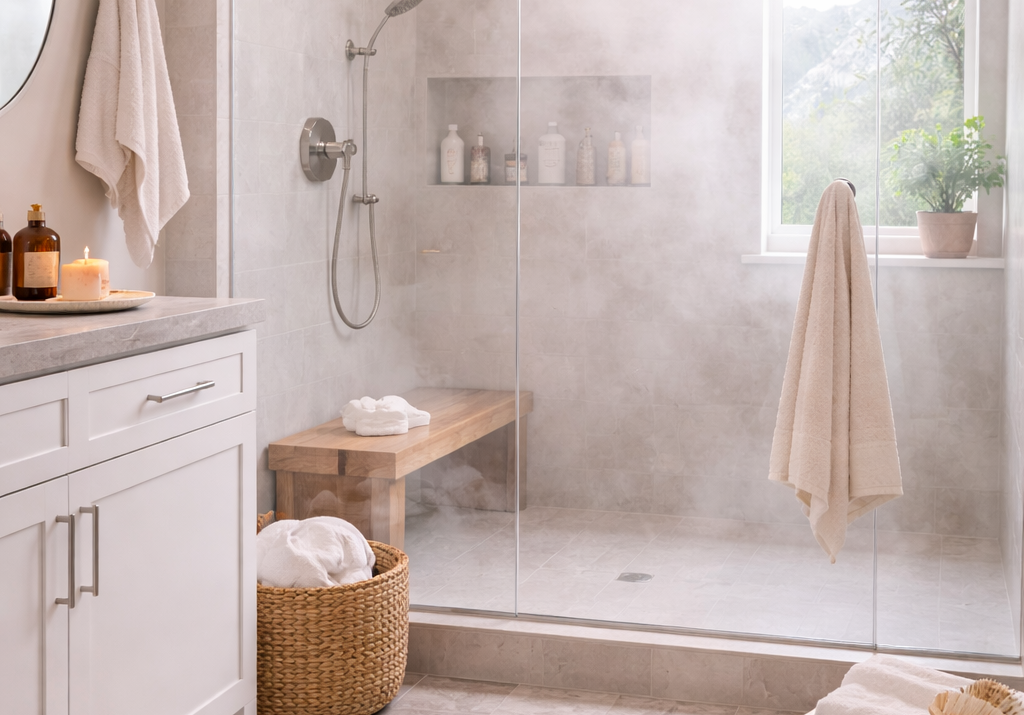
If you’ve ever stepped out of a hot shower and suddenly felt lightheaded, you’re not alone. That spinning, woozy feeling isn’t random — it’s tied to water temperature, blood pressure changes, and even your bathroom ventilation. And here in Utah, where dry air, elevation, and winter inversions already stress our bodies, those effects can feel


Matt C.
March 3, 2026

Ever walk into a room and it just feels… off? Not necessarily hot. Not exactly messy. Just slightly tense or uncomfortable. Believe it or not, extension cords and overloaded power strips can subtly change how a room feels — both physically and psychologically. In Utah homes, especially during long winters in Salt Lake City, Sandy,

Matt C.
February 28, 2026

Ever walk into your kitchen or bathroom and notice a faint metallic smell — almost like pennies or wet iron? You’re not imagining it. In many Utah homes, that metallic odor is tied directly to pipe oxidation and changing water chemistry, especially in areas like Salt Lake City, Sandy, Draper, Bountiful, and Layton where mineral-heavy

Matt C.
February 27, 2026

If your hands and feet are always cold inside your own house — even when the thermostat says 72° — you’re not imagining it. This is incredibly common in Utah homes, especially during long winters in Salt Lake City, Sandy, Draper, and Park City. The culprit usually isn’t just “poor circulation.” More often, it’s poor

Matt C.
February 26, 2026

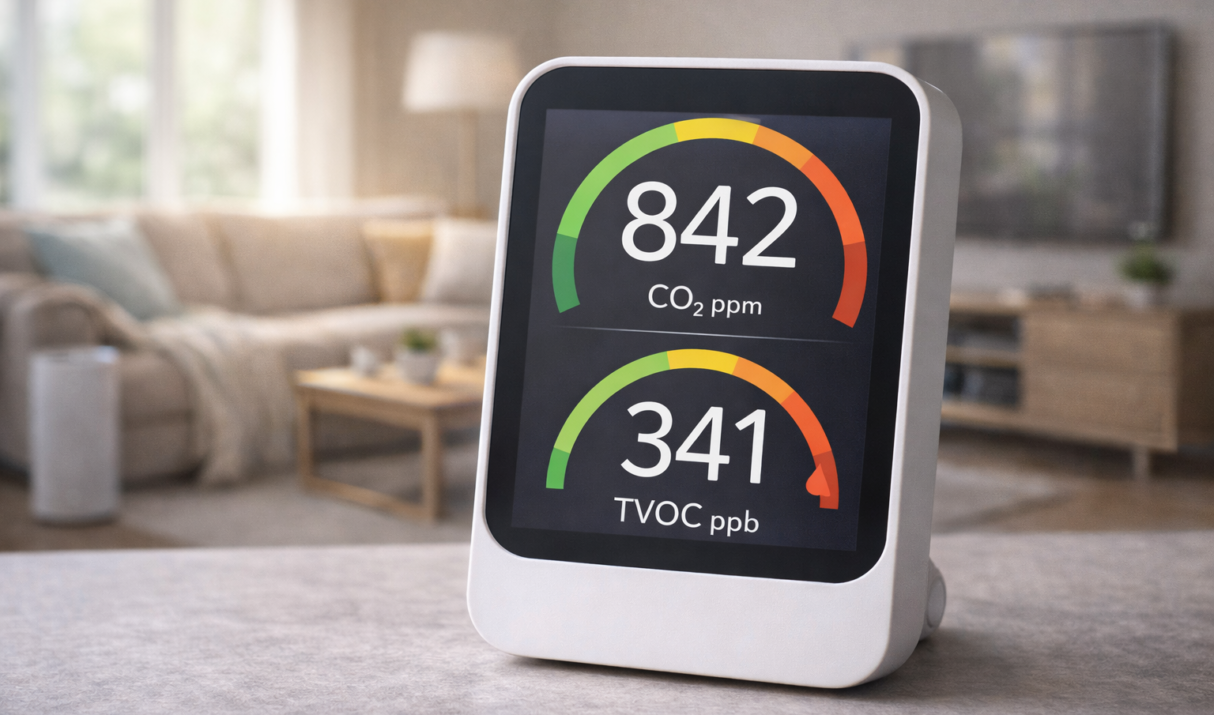
At first glance, your home looks spotless. The counters shine. The floors are vacuumed. The bathroom smells fresh. So naturally, it feels clean. However, here’s the part most homeowners don’t realize: clean doesn’t always mean healthy — especially when we’re talking about indoor air quality in Utah homes. In fact, some of the most common

Matt C.
February 19, 2026

It usually happens out of nowhere. Your child is playing, watching TV, or sleeping — and suddenly there’s a nosebleed. Meanwhile, the adults in the house feel fine. So what gives? In many Utah homes, the answer is surprisingly simple: kids have smaller, more sensitive airways — and dry indoor air affects them first. Let’s

Matt C.
February 18, 2026