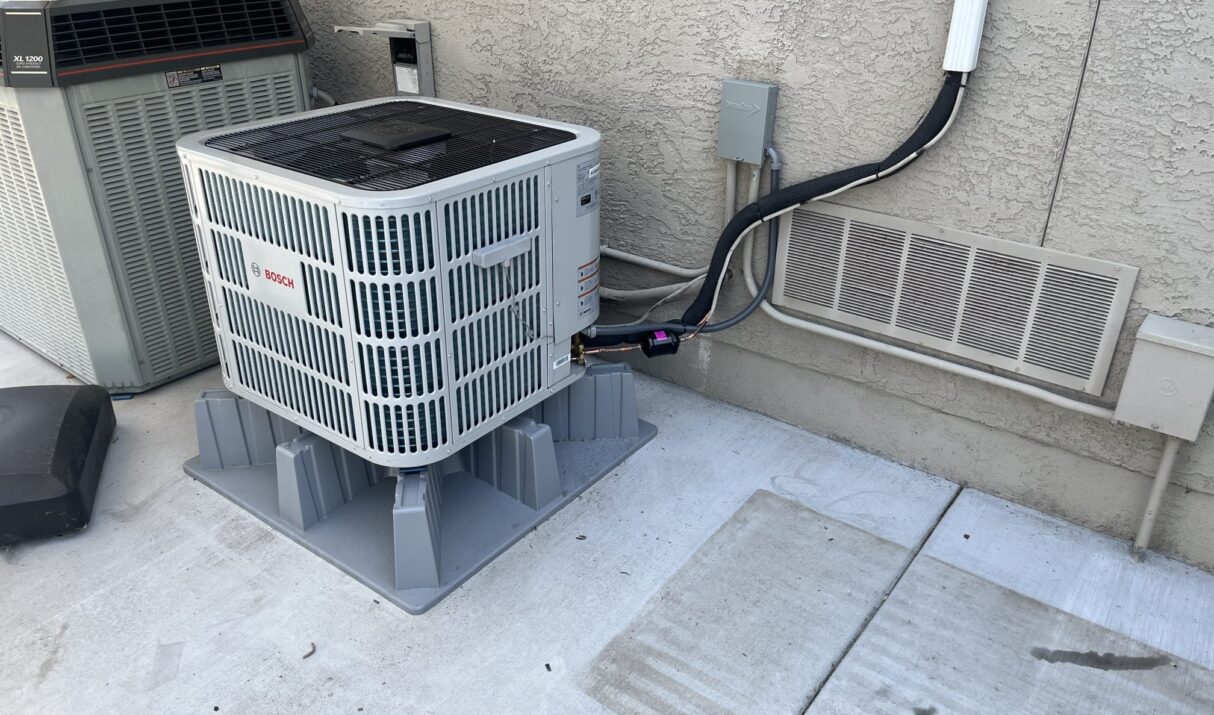

If you’ve ever heard your HVAC installer say things like “we brazed it,” “pulled it under 500 microns,” or “it passed the vacuum test,” you’re not alone if it all sounded a little technical. The good news? Those steps are a very big deal for the long-term health, efficiency, and reliability of your heating and
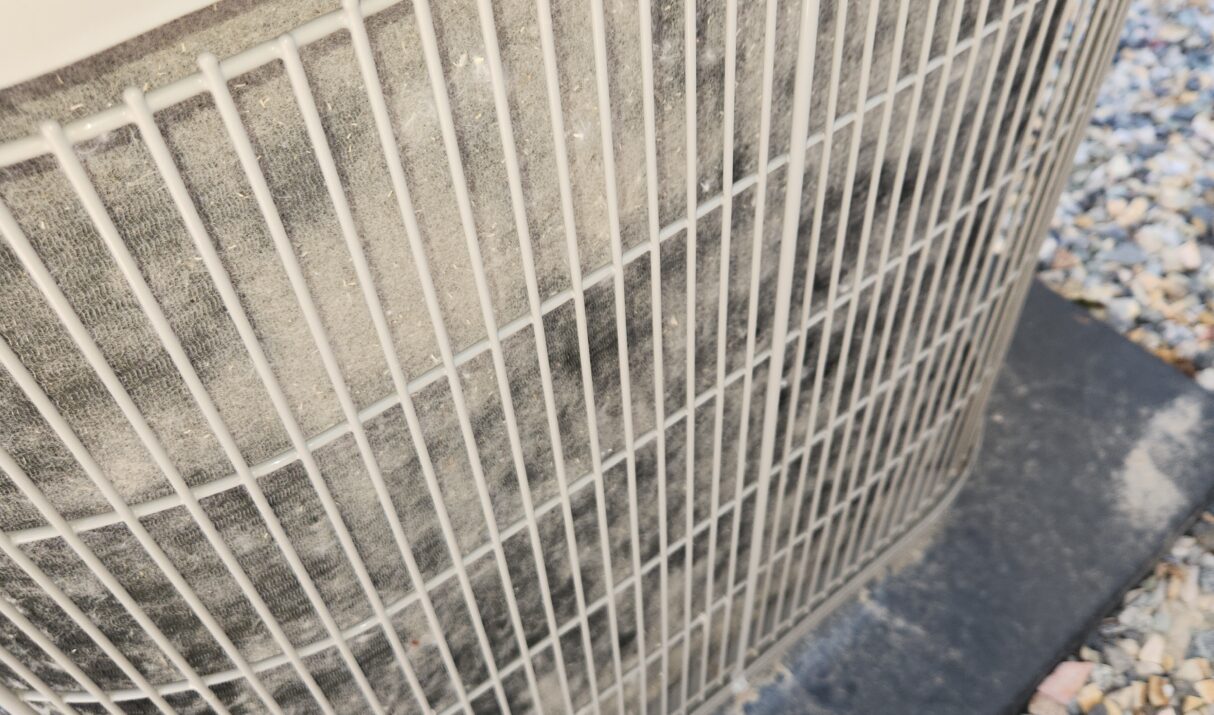
A poorly installed HVAC system can drain a homeowner’s wallet for years. One recent customer spent more than $3,000 replacing a failed compressor, added leak-stop products that didn’t solve the refrigerant loss, and was then quoted another $3,000 in repairs on a nine-year-old system. In the end, the system had to be replaced entirely —
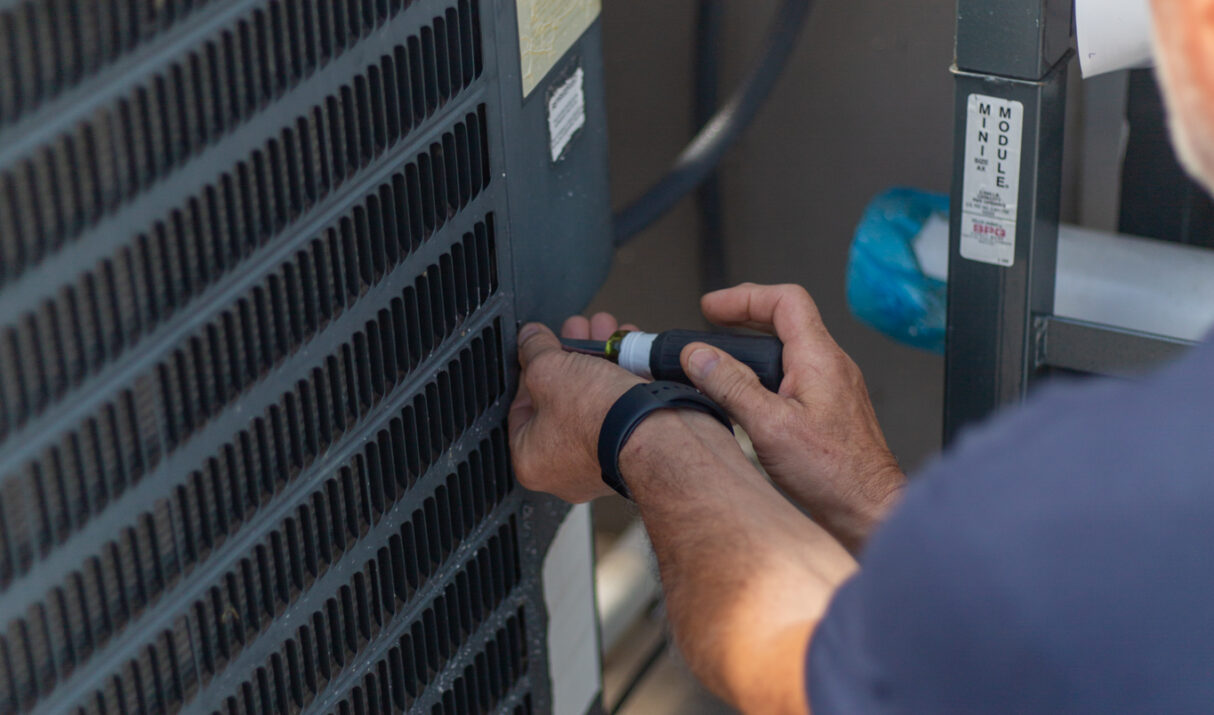
When installing a new HVAC system, one of the most important safety checks happens before the unit ever powers on. Electricians and HVAC techs must verify that the wire gauge and fuse ratings match the equipment’s nameplate requirements. If they don’t, the system can overheat, trip breakers, or even become a fire hazard. Below, we