Why Hot Showers Can Make Dizziness Worse in Utah Homes

If you’ve ever stepped out of a hot shower and suddenly felt lightheaded, you’re not alone. That spinning, woozy feeling isn’t random — it’s tied to water temperature, blood pressure changes, and even your bathroom ventilation. And here in Utah, where dry air, elevation, and winter inversions already stress our bodies, those effects can feel even stronger.
Let’s break down why hot showers can make dizziness worse — and what you can do to prevent it.
The Science Behind Hot Showers and Blood Pressure
First, let’s talk about what’s happening inside your body.
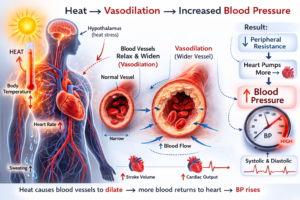
When you step into a hot shower, the high water temperature causes your blood vessels to dilate — this process is called vasodilation. As your vessels widen, your blood pressure temporarily drops. For many people, especially those who already have low blood pressure, this drop can cause:
-
Lightheadedness
-
Blurred vision
-
Nausea
-
A spinning sensation
-
Weakness when standing up
According to the American Heart Association, sudden changes in blood pressure — especially when moving from hot environments to standing — can trigger dizziness or even fainting.
Now add elevation into the equation. In places like Park City and Heber, thinner air already means your cardiovascular system works a little harder. That makes hot-shower-induced blood pressure shifts feel even more intense.
And that’s just one piece of the puzzle.
Heat, Steam, and Oxygen Levels
Next, consider what happens to the air in your bathroom.
Hot showers create heavy steam, especially during Utah winters when we crank up the temperature to escape the cold. Without proper ventilation, that steam builds up quickly, reducing oxygen circulation and increasing humidity levels.
Poor ventilation can lead to:
-
A stuffy, low-oxygen feeling
-
Increased heart rate
-
Head pressure
-
Worsened dizziness
Bathrooms without a functioning exhaust fan or proper airflow may trap warm, moist air. Over time, that doesn’t just affect comfort — it impacts indoor air quality, which plays a major role in overall health.
If you’re unsure whether your bathroom ventilation is working effectively, Healthy Water and Air offers solutions to improve indoor air quality throughout Salt Lake City, Sandy, Draper, and surrounding communities.
Because sometimes it’s not just the water — it’s the air.
Utah’s Dry Climate Makes It Trickier
Here’s where Utah throws in a curveball.
Our climate is incredibly dry, especially in winter. Dry air causes mild dehydration without you even realizing it. And dehydration lowers blood pressure.
So when you:
-
Start slightly dehydrated
-
Step into a hot shower
-
Experience vasodilation
-
Stand up quickly
That combination can amplify dizziness.
According to the Cleveland Clinic, dehydration is one of the most common contributors to lightheadedness — especially when combined with heat exposure.
In cities like Bountiful, Layton, and Draper, hard water can also leave skin feeling dry and irritated, which encourages people to take even hotter showers. Installing a whole-home water filtration system can help soften water and make lower temperatures feel more comfortable.
It’s all connected.
The Ventilation Factor Most Homeowners Miss
Now let’s zoom in on ventilation — because this is the part many people overlook.
If your bathroom fan isn’t strong enough, steam lingers long after your shower ends. That lingering humidity can:
-
Reduce air circulation
-
Encourage mold growth
-
Impact breathing comfort
-
Increase feelings of dizziness
The EPA notes that proper ventilation is essential for maintaining healthy indoor air and reducing moisture-related issues (EPA Indoor Air Quality Guide).
Upgrading bathroom ventilation or improving whole-home airflow can dramatically reduce steam buildup. Healthy Water and Air provides expert assessments and HVAC solutions designed specifically for Utah’s climate — including high-efficiency systems that help regulate temperature and airflow year-round.
If you’re already noticing foggy mirrors that won’t clear or musty smells after showering, that’s your sign.
How to Prevent Shower-Related Dizziness
The good news? This is usually manageable.
Here’s what you can do:
Lower the Water Temperature
Keep showers warm — not hot. Even a small temperature reduction can prevent dramatic blood vessel dilation.
Turn On Ventilation Early
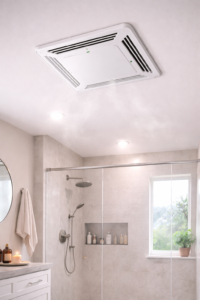
Run your bathroom fan before you turn on the shower and let it run 15–20 minutes afterward.
If your fan is outdated, consider upgrading to a high-efficiency model that improves airflow.
Stay Hydrated
Especially during Utah’s dry winters and high-altitude summers. Drink water before and after showering.
Stand Up Slowly
If you sit while showering or bend down, stand gradually to avoid sudden blood pressure shifts.
Improve Whole-Home Air Quality
Installing a whole-home humidifier or air purification system can stabilize your indoor environment and reduce respiratory stress.
Healthy Water and Air specializes in systems that help homeowners across Salt Lake City and surrounding areas create healthier indoor environments.
Because feeling dizzy in your own bathroom shouldn’t be normal.
When to Seek Medical Advice
Occasional mild dizziness from heat exposure is common. However, frequent or severe episodes may indicate:
-
Chronic low blood pressure
-
Inner ear conditions
-
Cardiovascular concerns
-
Medication side effects
If symptoms persist, consult a healthcare professional to rule out underlying causes.
Your home environment can help — but your health comes first.
Why This Matters for Utah Homes
Between winter inversions, dry mountain air, and hard water, Utah homes face unique indoor air and water challenges. Small environmental stressors — like overly hot showers and poor ventilation — can have bigger effects here than in more humid climates.
And when you improve your air and water systems, you’re not just increasing comfort.
You’re protecting your health.
If your bathroom feels stuffy, your mirrors stay fogged, or your air feels heavy after showers, it may be time to take a closer look at your HVAC and ventilation setup.
Need service? Call (801) 609-1551 or schedule an appointment online.
Healthy homes start with clean air, balanced humidity, and properly functioning systems.
References
-
American Heart Association – Blood Pressure and Heat Exposure: https://www.heart.org/en/health-topics/consumer-healthcare/what-is-cardiovascular-disease/protect-your-heart-in-the-heat
-
Cleveland Clinic – Causes of Dizziness: https://my.clevelandclinic.org/health/symptoms/6422-dizziness
-
U.S. Environmental Protection Agency – Indoor Air Quality: https://www.epa.gov/report-environment/indoor-air-quality