Why Household Particulates Make You Tired — And How to Get Rid of Them

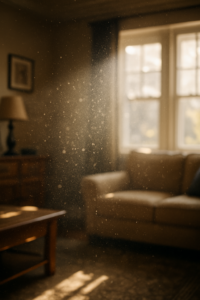
Particulates — the dust, dander, pet hair, skin cells, and microscopic debris floating through your home — may seem harmless. But they have a direct impact on how you breathe, how often you get sick, and even how tired you feel throughout the day. In this article, we’ll break down why particulate matter is harmful and the smartest ways to reduce it for cleaner, healthier indoor air.
What Particulates Really Do to Your Body
Most homeowners understand that breathing dirty air irritates the nose, throat, and lungs. But what’s actually happening?
They inflame your respiratory system
When particulates enter your airways, your body treats them as invaders. This causes inflammation in your sinuses and lungs, which can make you more vulnerable to viruses and bacteria. Inflamed tissue is less efficient at trapping and removing pathogens, so illnesses take hold more easily.
This is part of why allergy flare-ups often coincide with frequent colds.
They trigger fatigue
One of the most overlooked effects of particulate exposure is fatigue. When your immune system is constantly reacting to airborne debris, it’s essentially working overtime. Even mild, chronic inflammation requires energy, which can leave you feeling sluggish, foggy, or unrefreshed after sleep.
They worsen allergies and asthma
Dust mites, pet dander, and microscopic particles can provoke allergy symptoms even in people who aren’t normally sensitive. For those with asthma, particulates are known triggers that increase airway constriction and breathing difficulty.
Why Homes Today Have More Particulates Than Ever
Modern homes are tightly sealed for energy efficiency. That’s great for your utility bill, but not so great for indoor air quality. Contaminants become trapped inside, and HVAC systems recirculate them unless there’s proper filtration or purification.
Everyday activities release more particulates than most people realize:
-
Sitting on the couch can puff dust into the air.
-
Vacuuming sends fine debris airborne unless the vacuum is HEPA-rated.
-
Pets shed hair and dander constantly.
-
Cooking releases ultra-fine particles that are invisible but harmful to inhale.
How to Reduce Particulates in Your Home
The goal isn’t to eliminate particulates entirely — that’s impossible in a lived-in space — but to reduce the concentration so your body isn’t constantly fighting them.
Improve filtration in your HVAC system
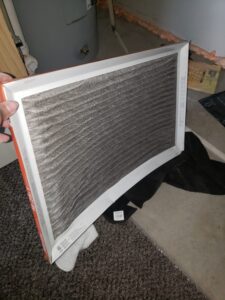
Use high-quality filters rated MERV 11–13 or higher if your system allows it. These capture much smaller particles than standard filters. For system-specific guidance, ask HVAC specialists like our partners at At Your Service Pros.
Add whole-home air purification
A whole-home purifier such as the Reme Halo — available on the Healthy Water and Air website — neutralizes particulates, bacteria, mold spores, and VOCs.
The technology actively reduces pollutants in the air and on surfaces, giving your HVAC system less to filter and lowering your exposure substantially.
Keep dust sources under control
Simple habits help more than people expect:
-
Wash bedding weekly in hot water to reduce dust mites.
-
Brush pets regularly and clean soft furniture.
-
Vacuum with a HEPA vacuum to trap allergens instead of redistributing them.
-
Don’t forget overlooked areas like ceiling fans and air vents.
Maintain humidity between 40% and 50%
Too-low humidity allows dust and skin cells to stay airborne longer. Too-high humidity encourages dust mites and mold. A whole-home humidifier or dehumidifier can stabilize levels.
When You Should Consider Professional Help
If you notice chronic dust buildup, persistent fatigue, worsening allergies, or musty smells, your home may have a particulate or air circulation issue. A professional air quality evaluation can identify hidden sources and recommend the right purification technologies.
Our team at Healthy Water and Air, along with HVAC experts at At Your Service Pros, can help homeowners upgrade filters, balance humidity, and choose the right purification system for long-term relief.