Why Kids Get Nosebleeds Before Adults Do

It usually happens out of nowhere.
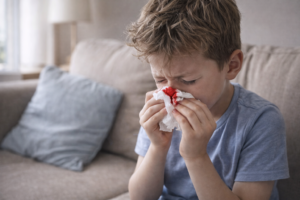
Your child is playing, watching TV, or sleeping — and suddenly there’s a nosebleed. Meanwhile, the adults in the house feel fine. So what gives?
In many Utah homes, the answer is surprisingly simple: kids have smaller, more sensitive airways — and dry indoor air affects them first.
Let’s walk through why this happens, why it’s especially common along the Wasatch Front, and what you can do to help prevent it.
Smaller Airways, Bigger Impact
Children aren’t just “small adults.” Their respiratory systems are still developing.
Because kids have:
-
Narrower nasal passages
-
Thinner nasal membranes
-
Delicate surface blood vessels
-
Faster breathing rates
…dry air irritates their noses more quickly than it does yours.
In fact, the front part of the nasal septum contains a dense network of tiny blood vessels (called Kiesselbach’s plexus). In children, those vessels are closer to the surface. Therefore, when indoor air becomes dry, cracking and bleeding can happen faster.
Adults have thicker tissue and slightly wider airways, so it often takes longer for symptoms to show up.
Utah’s Dry Climate Makes It Worse
If you live in Salt Lake City, Sandy, Draper, Layton, or Bountiful, you already know how dry Utah air can feel — especially in winter.
Here’s what happens:
-
Outdoor air is naturally low in humidity.
-
Cold air holds less moisture.
-
Furnaces heat and dry that air even more.
-
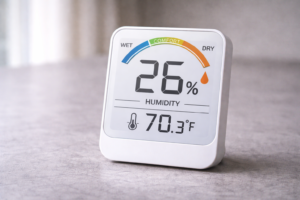
Indoor humidity can drop below 20%.
For reference, the Environmental Protection Agency (EPA) recommends indoor humidity levels between 30–50% for comfort and health.
When levels fall below that, nasal passages dry out quickly — and kids are usually the first to show it.
Why It Often Happens at Night
Many parents notice nosebleeds during the night or early morning. That’s not random.
At night:
-
Heating systems run more consistently.
-
Bedroom doors are closed, limiting airflow.
-
Humidity drops further.
-
Dry air sits in one room for hours.
As a result, a child’s nasal lining can dry and crack while they sleep.
Meanwhile, adults in the same house may not experience symptoms yet — but that doesn’t mean the air is healthy.
Dryness Isn’t the Only Factor
Although dryness is the main trigger, airflow also plays a role.
Uneven airflow can:
-
Create overly dry “hot spots” in bedrooms.
-
Increase air velocity across nasal passages.
-
Pull moisture out of the air faster.
Homes in Park City or Heber, where winter temperatures swing more dramatically, may see even lower humidity levels indoors.
Additionally, tightly sealed modern homes — built for energy efficiency — don’t naturally bring in fresh, balanced air. Therefore, humidity levels can drop and stay low for long stretches.
Signs Your Home Air Is Too Dry
Sometimes nosebleeds are the first clue.
Other signs include:
-
Dry or cracked lips
-
Static shocks
-
Itchy skin
-
Scratchy throats
-
Wood floors or furniture separating
If multiple family members experience dryness symptoms, it’s likely an indoor humidity issue.
How to Protect Kids From Dry Indoor Air
The goal isn’t to make your house humid — it’s to keep moisture at a healthy, steady level.
You can:
-
Monitor indoor humidity with a hygrometer.
-
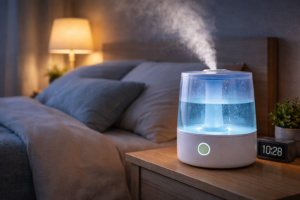
Use humidifiers in bedrooms.
-
Improve whole-home humidity control.
-
Balance airflow to prevent over-drying certain rooms.
-
Avoid excessive thermostat setbacks at night.
Whole-home humidity systems are often more consistent than portable units, especially in larger Utah homes where dry air circulates constantly.
Professionals focused on indoor comfort — including partners like https://atyourservicepros.us — frequently help families address recurring winter nosebleeds by improving humidity and airflow balance.
When to Talk to a Pediatrician
Most childhood nosebleeds are harmless and related to dryness. However, frequent or severe bleeding should always be evaluated by a healthcare provider.
According to the American Academy of Pediatrics, dry air is one of the most common causes of nosebleeds in children.
If environmental adjustments reduce the frequency, that’s often a strong clue that indoor air was the trigger.
Healthy Air Helps Little Noses
Children react first because their airways are smaller and more delicate. However, adults benefit from balanced humidity too — even if symptoms show up later.
When indoor air stays between 30–50% humidity and airflow remains balanced, nasal tissues stay healthier, sleep improves, and overall comfort increases.
Sometimes, those random nosebleeds are simply your home asking for better moisture balance.
Need service? Call (801) 609-1551 or schedule an appointment online.
References
-
U.S. Environmental Protection Agency – Indoor Air Facts No. 8: Residential Air Cleaners and Humidity Guidance
https://www.epa.gov/indoor-air-quality-iaq -
American Academy of Pediatrics – Nosebleeds (Epistaxis) in Children
https://www.healthychildren.org -
Mayo Clinic – Nosebleeds Causes and Prevention
https://www.mayoclinic.org/symptoms/nosebleeds/basics/causes/sym-20050914 -
Cleveland Clinic – Why Kids Get Nosebleeds
https://health.clevelandclinic.org