Why Your Dog Drinks More Water at Home (The Hidden Role of Dry Air)

If you’ve ever filled your dog’s water bowl only to notice it empty again a few hours later, you might wonder what’s going on. Many Utah pet owners assume their dog is just extra thirsty after playing, eating salty treats, or running around the yard.
But sometimes the real reason is inside the house.
In many homes across Salt Lake City, Sandy, and Bountiful, dry indoor air can increase thirst in both humans and pets. When humidity levels drop, dogs may start drinking more water simply to stay hydrated. Understanding why dogs drink more water in certain homes can help you improve both your pet’s comfort and your home’s indoor air quality.
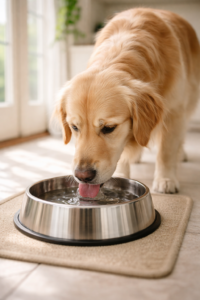
Why Dogs Drink More Water in Certain Homes
Let’s start with the main question many homeowners ask: why do dogs drink more water in certain homes?
One major factor is indoor humidity — the amount of moisture in the air.
Utah’s high-desert climate is naturally dry. During winter, indoor humidity levels in many homes drop below 20%, especially when heating systems run constantly.
When air becomes this dry, it pulls moisture from everything it touches, including:
-
Skin
-
Nasal passages
-
Paw pads
-
Respiratory systems
Just like people feel thirstier in dry environments, dogs also lose moisture more quickly. As a result, they may drink more water to compensate.
According to the American Veterinary Medical Association, environmental conditions like temperature and humidity can significantly affect a dog’s hydration needs.
So if you’ve noticed your dog drinking more water after moving or after winter arrives, your home’s air could be part of the reason.
Dry Air Makes Dogs Lose Moisture Faster
Now let’s look deeper at how this happens.
Dogs cool their bodies mainly through panting, which moves air across moist surfaces in the mouth and respiratory tract. In extremely dry air, this moisture evaporates faster.
Evaporation means liquid turning into vapor in the air. When evaporation increases, your dog loses more moisture through breathing.
That moisture loss must be replaced.
Which leads to — you guessed it — more trips to the water bowl.
Research published by the National Research Council on animal hydration notes that environmental dryness can increase water requirements in animals because of increased respiratory water loss.
This is another reason why dogs drink more water in certain homes, particularly homes with low humidity.
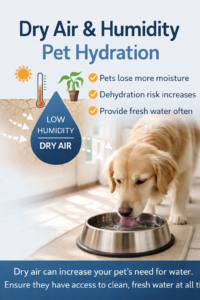
Heating Systems Can Make Dry Air Worse
Here’s where many homeowners are surprised.
Most residential heating systems actually remove moisture from the air while heating it. The warmer the air becomes, the more moisture it can hold — which often leaves indoor environments feeling extremely dry.
In homes across Draper, Layton, and Park City, indoor humidity can drop dramatically during winter heating months.
Signs your home air may be too dry include:
-
Static electricity
-
Dry skin
-
Nose irritation
-
Cracked lips
-
Pets drinking more water
If several of these signs appear together, the indoor environment may be pulling moisture from both people and pets.
That’s another reason why dogs drink more water in certain homes compared to others with better humidity balance.
Dry Air Can Affect Pets in Other Ways
Excessively dry air doesn’t just affect thirst. It can also impact a dog’s comfort and health.
Low humidity may contribute to:
-
Dry or itchy skin
-
Dull fur
-
Increased shedding
-
Nose dryness
-
Mild respiratory irritation
The American Kennel Club notes that dry winter air can cause skin irritation and dehydration in dogs, especially in climates with low humidity.
Maintaining balanced indoor humidity can help reduce these issues while making your home more comfortable for everyone.
The Ideal Humidity Level for Homes
Most experts recommend keeping indoor humidity between 30% and 50%.
According to the Mayo Clinic, this humidity range helps maintain respiratory comfort and prevents excessive dryness in the air.
In Utah homes, however, humidity often falls well below this level without assistance.
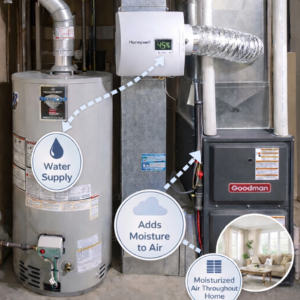
That’s why many homeowners install whole-home humidifiers connected to their HVAC systems. These systems add controlled moisture to the air as it circulates through the house.
Balanced humidity can help:
-
Reduce dry skin
-
Improve breathing comfort
-
Protect wood floors and furniture
-
Support healthier air for pets
Healthy Water and Air helps homeowners across northern Utah install systems designed to improve indoor air quality and maintain balanced humidity levels year-round.
Because when the air improves, everyone in the house benefits — including your dog.
When to Pay Attention to Increased Water Drinking
While dry air is a common reason why dogs drink more water in certain homes, it’s still important to watch for unusual changes.
You may want to consult a veterinarian if your dog shows:
-
Sudden extreme thirst
-
Frequent urination
-
Weight loss
-
Loss of appetite
These symptoms can sometimes indicate medical conditions unrelated to the home environment.
But if increased thirst mainly happens during dry seasons or in certain homes, indoor air dryness is often a contributing factor.
Creating a More Comfortable Home for Pets
Small improvements in indoor air quality can make a big difference for both humans and pets.
Here are a few simple steps:
Monitor Humidity Levels
A small digital hygrometer can show whether your home air is too dry.
Improve Indoor Air Quality
Balanced airflow and proper filtration help maintain healthier air throughout the house.
Add Controlled Humidity
Whole-home humidifiers restore moisture to the air during dry seasons.
Schedule HVAC Maintenance
Ensuring your system runs efficiently can prevent excessive drying of indoor air.
If your home feels dry and your dog is constantly at the water bowl, your indoor environment may need attention.
Need service? Call (801) 609-1551 or schedule an appointment online.
Because healthy homes create healthier pets.
References
American Veterinary Medical Association – Pet Hydration and Environmental Factors https://avmajournals.avma.org/view/journals/ajvr/87/1/ajvr.25.07.0275.xml
American Kennel Club – Dry Skin and Hydration in Dogs https://www.akc.org/expert-advice/health/dry-skin-on-dogs/
National Research Council – Nutrient Requirements of Dogs and Cats https://rawfedandnerdy.com/adult-dogs-nutrient-requirements
Mayo Clinic – Indoor Humidity and Health https://www.mayoclinic.org/diseases-conditions/common-cold/in-depth/humidifiers/art-20048021